
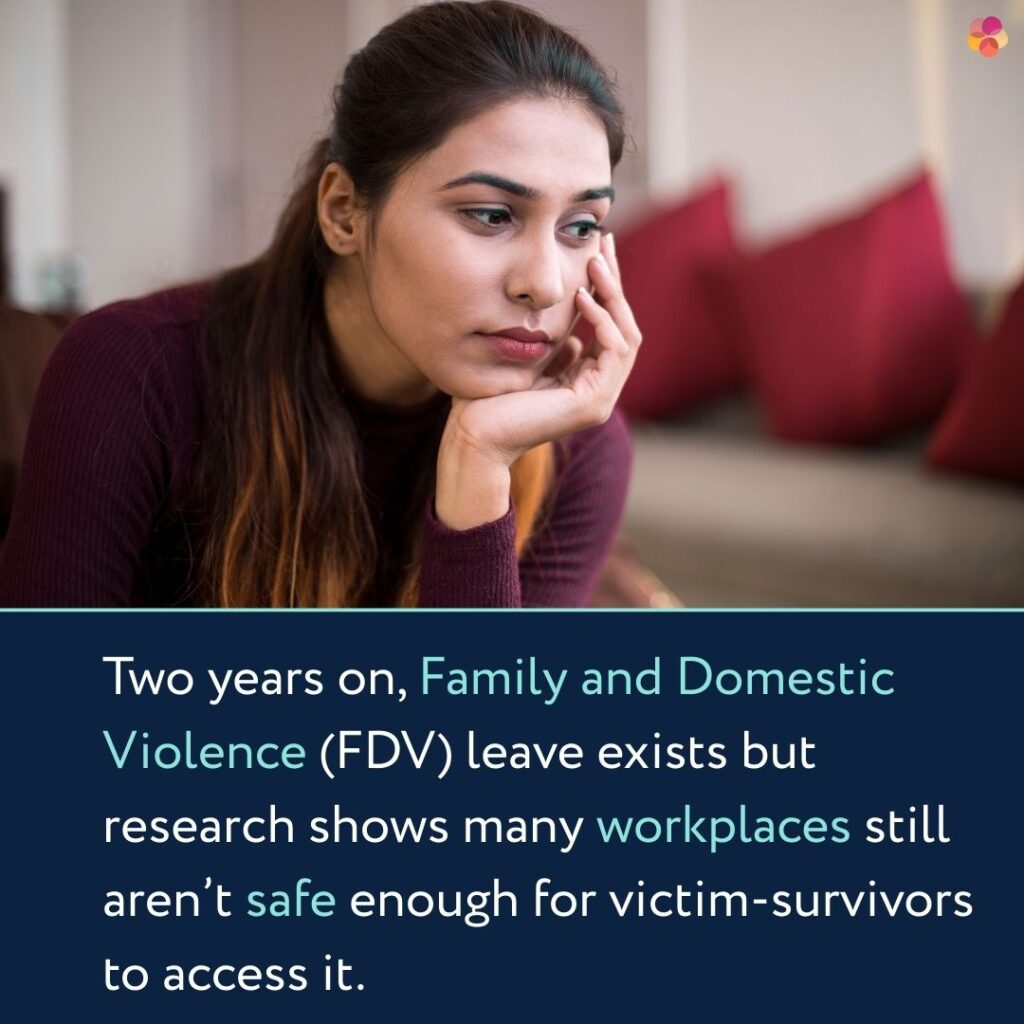


Two years after Australia introduced 10 days of paid family and domestic violence (FDV) leave, research shows many workplaces still aren’t set up to support people to use it safely.
The leave, introduced in 2023 under the National Employment Standards, is designed to help workers experiencing family or domestic violence maintain their employment and financial security while they manage urgent safety, health, housing or legal needs.
But Curtin University employment relations researcher Professor Kantha Dayaram says uptake remains low, highlighting the gap between a legal right and what people feel safe enough to access at work.
Elise Phillips, CEO of the Illawarra Women’s Trauma Recovery Centre, said the research is key to unlocking the policy’s full potential for women.
“This research is key to unlocking the true potential of domestic violence leave. The entitlement is there, but we know that too often workplace barriers stop women from accessing it safely.”
Professor Dayaram’s research, based on a survey of 70 victim-survivors and interviews with more than 30 organisations, including unions, employers, legal centres and community services, found that many workers still avoid requesting FDV leave.
Her research found that a key barrier is the fear that disclosing violence will lead to judgment, gossip, or workplace consequences.
In some cases, confidentiality wasn’t handled well, and workers worried private information could spread within teams.
The research also shows that in some workplaces, managers and payroll teams don’t fully understand the entitlement, meaning workers have been incorrectly told to take annual leave, or the leave has been mishandled in systems.
Prof Dayaram reflects that early progress has been made, but more work is needed to strengthen protections, align responses with discrimination safeguards, and ensure victim-survivor voices shape how workplaces respond.
She called on workplaces to raise education and awareness about FDV leave, warning that many workers still don’t know what support is available or how to access it.
Ms Phillips said getting family domestic leave right means women won’t have to choose between their safety and their livelihood.
“Paid domestic violence leave is a vital safety net, but it only works if women can actually access it without fear, scrutiny or backlash. Workplaces must stop treating FDV as a private issue and start taking responsibility: educate every staff member, protect confidentiality, and make support pathways clear and trauma-informed. If employers get this right, they can help keep women in work, financially secure, and safer.”
What is Family and Domestic Violence Leave
- All employees in Australia are entitled to 10 days of paid FDV leave each year. This applies to full-time, part-time and casual workers.
- FDV leave is a paid minimum entitlement under the National Employment Standards (NES) – like annual leave and sick leave.
- FDV is defined as violent, threatening or abusive behaviour by someone known to you that coerces or controls you and causes harm or fear.
- The person using violence may be a current or former intimate partner, a household member, or a close relative.
Your rights when using Family and Domestic Violence leave
- Your 10 days of FDV leave are available in full immediately and reset on your work anniversary.
- FDV leave is separate from other leave, so you don’t have to use annual leave or sick leave first.
- Your workplace can’t treat you unfairly or take adverse action against you because you are experiencing (or have experienced) family and domestic violence.
- “Adverse action” can include things like dismissal, being treated differently, or changes to your job that disadvantage you.
Find out more from the Fair Work Commission.