


For many women from culturally and linguistically diverse backgrounds, reaching out for help after experiencing domestic or family violence can feel overwhelming. Language barriers, cultural expectations and fear of community judgement can all make that first step incredibly difficult.
It’s something Mariette Mikhael understands well.
As the Illawarra Women’s Trauma Recovery Centre’s multicultural domestic, family and sexual violence case worker, Mariette works closely with women who may be navigating not only trauma but also unfamiliar systems and cultural pressures.
Born in Lebanon and fluent in Arabic, Mariette has spent more than 25 years working with multicultural communities across New South Wales. She previously worked with the Ethnic Communities’ Council of NSW, beginning as a bilingual educator delivering community programs to Arabic-speaking groups on issues such as health, environmental information and tenancy rights.
She later became a project coordinator overseeing a team of 25 bilingual educators working across 13 to 14 language groups, each delivering programs within their own communities and helping people access information in their first language.
Today at the Illawarra Women’s Trauma Recovery Centre, Mariette supports women experiencing domestic, family and sexual violence through practical assistance, including victim compensation applications, housing support and referrals to other services.
She says women from culturally and linguistically diverse (CALD) backgrounds often face additional barriers when seeking help.
She said language can be a major challenge, but it is rarely the only one. Many women arrive in Australia with deeply held cultural expectations around family, gender roles and community responsibility that can make speaking out about violence extremely difficult.
“In many cultures, women worry about how their community will see them if they ask for help,” Mariette said.
“For some women, family and community reputation is very important, and they may feel they are going against their culture by speaking up.”
Trust in services can also take time to build, particularly for women who are unfamiliar with Australia’s support systems or who come from countries where authorities cannot always be trusted.
Being able to communicate in a familiar language can make a significant difference.
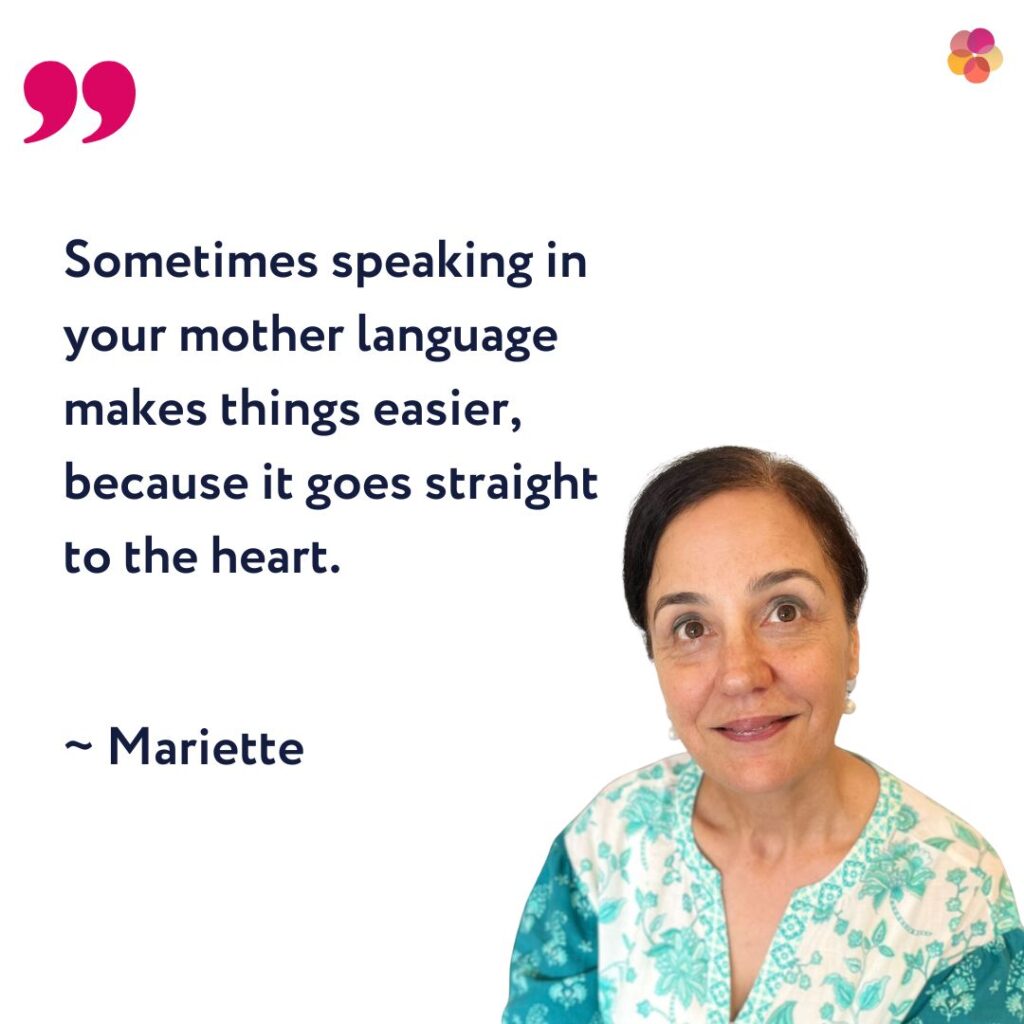
“Sometimes speaking in your mother language makes things easier, because it goes straight to the heart,” she said.
Earlier in her career, she also spent years working in a women’s refuge, supporting women and children leaving situations of violence.
Mariette said the Centre provides an important space where women can access a range of services in one location, making it easier to take the first step toward support.
“All the workers here genuinely care about helping women,” she said. “When someone takes that step to reach out, we are here to support them.”
For women from culturally and linguistically diverse backgrounds who may be considering reaching out for help, Mariette offers a few reminders:
- You are not alone. Support services exist to help you and keep you safe.
- It is okay to ask questions if you are unsure how services work.
- You have the right to ask for an interpreter or someone who understands your culture.
- Your safety and well-being are important, no matter your background or community expectations.
The Illawarra Women’s Trauma Recovery Centre is a one-stop place for women to heal and rebuild their lives after experiencing domestic, family and sexual violence. To find out more about our services, contact our team on 4243 9800.