


The Illawarra Women’s Trauma Recovery Centre is calling for urgent, system-wide action on the escalating domestic and family violence (DFV) crisis, urging governments to work in genuine partnership with the specialist sector to strengthen the system through sustained funding, workforce investment, and improved coordination.
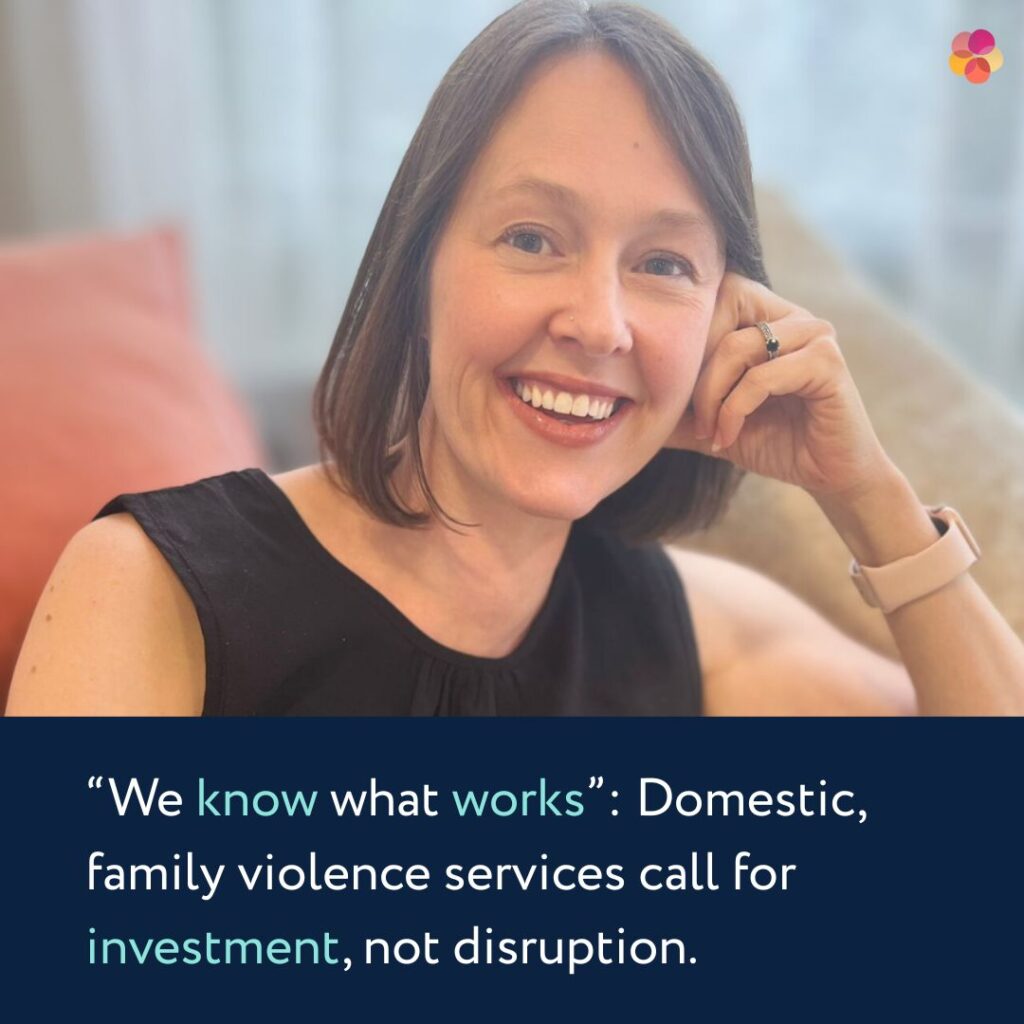
CEO Elise Phillips said the current moment of heightened public attention must be a catalyst for meaningful reform.
“We already have a system in place that is delivering specialist, trauma-informed, person-centred support to women every single day. We’ve been doing this work for over 40 years. These are services that have been developed over decades, grounded in evidence, staffed by experts, and shaped by the needs of the communities they serve.
What we need to do now is strengthen that system. Invest in it. Support it, and give it the resources it needs to meet the level of demand we’re seeing.”
Across NSW, specialist DFV services provide critical support to victim-survivors, often acting as trusted entry points into safety and recovery. Embedded in their communities, these services build the relationships that enable people to seek help earlier and more safely.
The key challenge facing the sector is capacity. Domestic Violence NSW has called for a 50 per cent increase in core funding to ensure services can meet demand and deliver timely, effective support.
Ms Phillips said, “We know what works. The issue is not that the system is broken – it’s that it’s under significant pressure. With the right level of investment, we can expand what’s already working well, reduce wait times, support our workforce, and ensure that every person who reaches out gets the help they need, when they need it.”
There is also an important role for the government in strengthening the broader system, including leading the development of consistent frameworks for risk assessment, improving coordination across agencies, and supporting workforce development.
Services like the Illawarra Women’s Trauma Recovery Centre are a key part of the current response to domestic and family violence, supporting women across the region every day.
The Centre provides trauma-informed care, including counselling, case coordination and practical assistance, working with women over time to build trust, support their safety and recovery.
As a community-based service, it plays an important role in ensuring women can access support locally. Ensuring services like this remain accessible and adequately resourced is critical to meeting demand.
Elise Phillips said: “Better collaboration, stronger frameworks, and increased resourcing are the practical, evidence-based ways to improve outcomes. When services are supported to work together effectively, we see better safety outcomes for victim-survivors and more sustainable responses across the system.”
“Without sustained investment, demand will continue to outpace capacity. The focus must now be on strengthening the system that women already rely on.”