
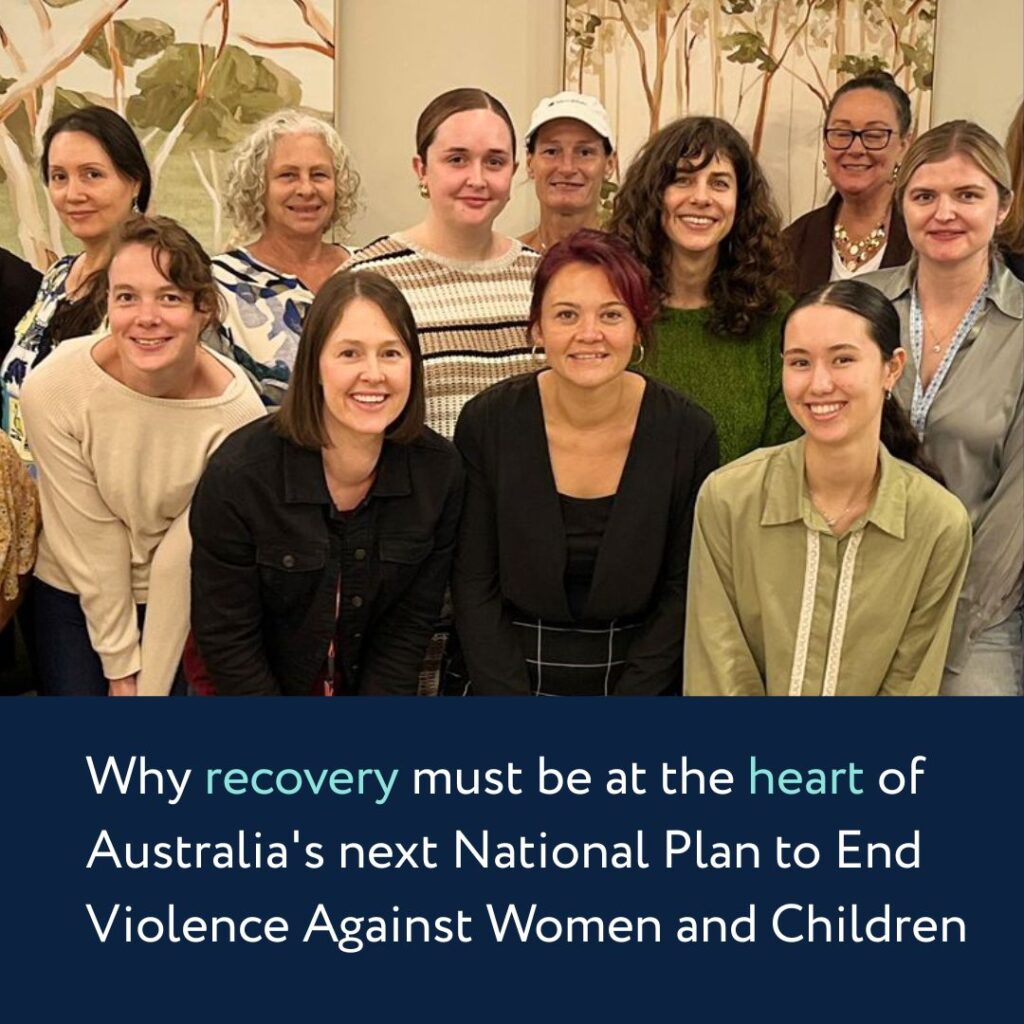


Australia’s next national action plan to address domestic, family and sexual violence must place recovery and healing at its core if the nation is serious about breaking cycles of intergenerational abuse, according to Illawarra Women’s Trauma Recovery Centre CEO Elise Phillips.
Ms Phillips has welcomed the national consultation process that will inform Australia’s Second Action Plan under the National Plan to End Violence against Women and Children 2022–2032, saying it presents an important opportunity to ensure the voices of victim-survivors and frontline services are reflected in future policy.
“Australia will not break the cycle of domestic and family violence by focusing solely on crisis response,” Ms Phillips said.
“Every woman deserves the opportunity not just to survive violence, but to recover and thrive beyond it. When trauma is left unaddressed, its effects can ripple through families and across generations.
“The Second Action Plan must recognise that investing in healing and recovery is one of the most effective ways we can prevent future violence and create lasting change.”
The plan will help determine where the government focuses its efforts and resources in the coming years as Australia works towards ending domestic, family and sexual violence within a generation.
The consultation is seeking feedback on what is working, where gaps remain and what actions are needed to better prevent and respond to violence.
Ms Phillips said the process provides an important opportunity for victim-survivors and frontline services to highlight the long-term impacts of trauma and the support needed for recovery.
“Leaving a violent relationship is often just the beginning of a woman’s recovery journey,” she said.
“Women need the time, support and specialised services to heal from trauma, rebuild their confidence and reclaim their lives. When recovery is prioritised, the benefits extend not only to women themselves, but to their children, families and future generations.”
Community members are encouraged to have their say on the Second Action Plan before consultations close on July 31, 2026.
Feedback can be provided through an online survey, written submissions and consultation events.
You can find out more here.
.