
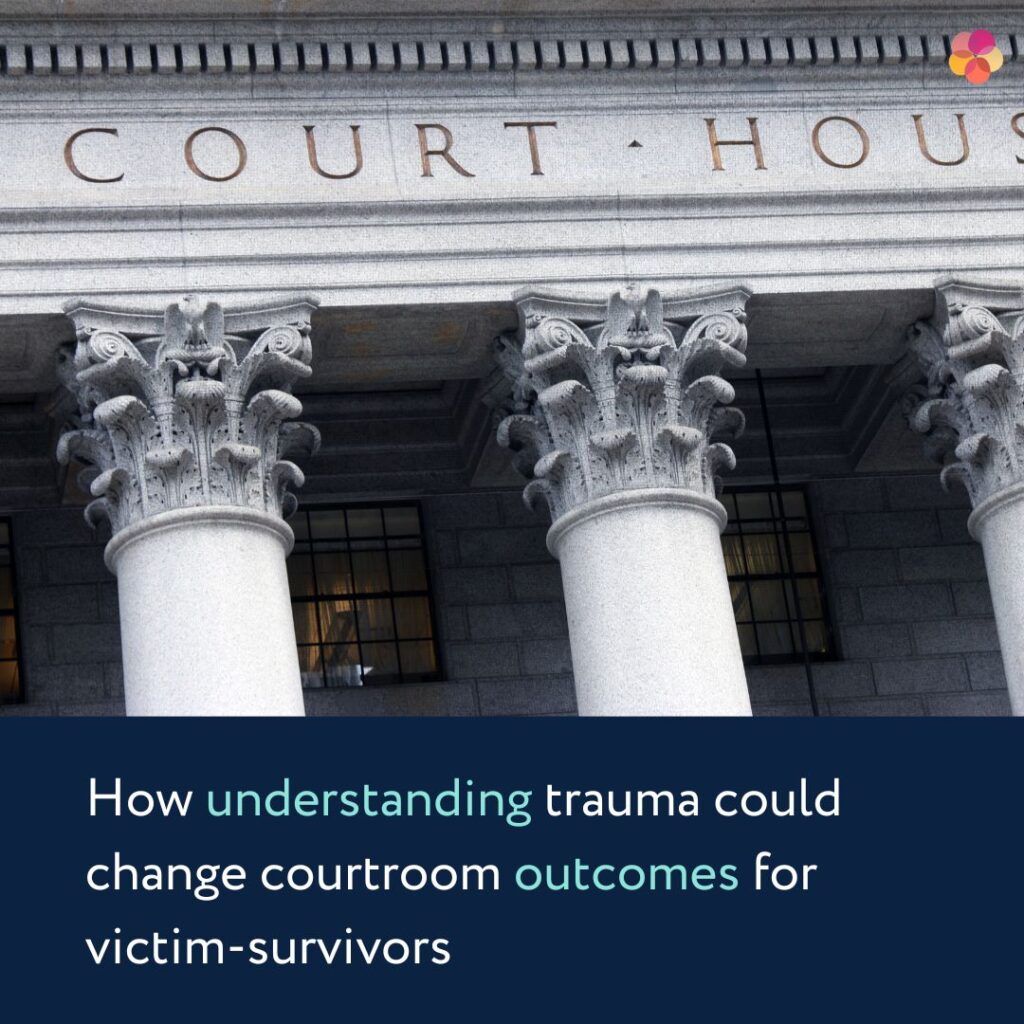


Helping juries better understand trauma could lead to fairer outcomes for victim-survivors of sexual violence, the Illawarra Women’s Trauma Recovery Centre says.
The Centre has welcomed proposals from the Australian Institute of Family Studies (AIFS) to strengthen NSW’s sexual consent laws, including expanded jury directions to challenge common myths about sexual violence.
The proposed reforms form part of the NSW Government’s statutory review of the state’s 2021 sexual consent reforms, due to report to Parliament by December 2026.
Among the recommendations are clearer jury directions addressing misconceptions such as the belief that flirting means later consent, or that maintaining contact with an offender means an assault did not occur.
AIFS also recommends recognising “fawning” alongside freezing as a common trauma response, acknowledging that some victim-survivors comply or try to appease a perpetrator as a survival strategy.
Illawarra Women’s Trauma Recovery Centre CEO Elise Phillips said the proposals were a welcome step towards a more trauma-informed justice system.
“Trauma affects everyone differently. Some women freeze, some comply to stay safe, some delay reporting, and many continue contact with the person who harmed them because of fear, coercion or other complex circumstances,” she said.
“None of those responses make what happened any less real.”
Ms Phillips said improving juries’ understanding of trauma would help ensure decisions were based on evidence rather than outdated assumptions.
“When juries understand how trauma affects behaviour, they’re better equipped to assess the evidence fairly, rather than relying on myths about how a victim should respond,” she said.
“That creates a fairer justice system for victim-survivors and helps reduce the harm caused by misconceptions that continue to surround sexual violence.”
The Centre also welcomed AIFS’ broader call for laws and legal processes that better reflect the lived experiences of victim-survivors and avoid reinforcing harmful stereotypes.