
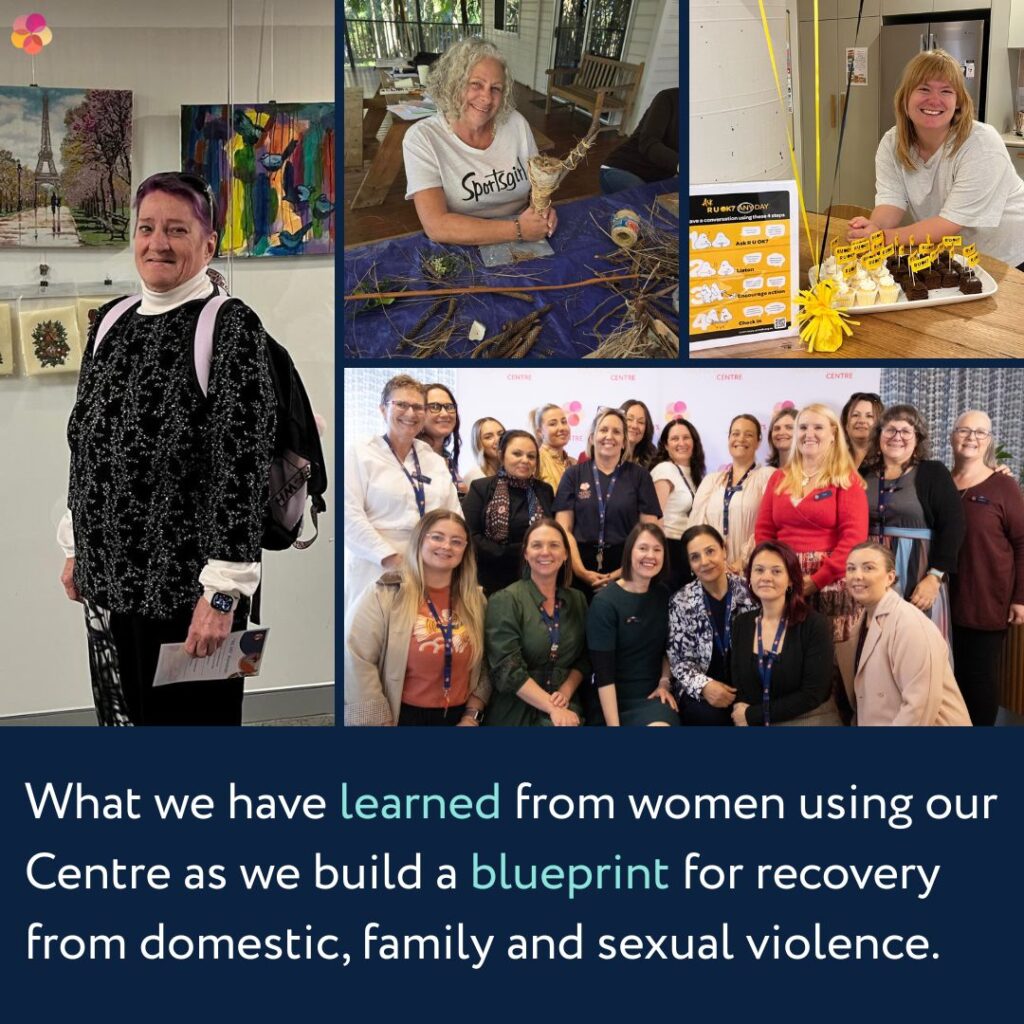


There was no blueprint for the Illawarra Women’s Trauma Recovery Centre when it opened two years ago, but a new report shows how the service it has built is making a difference for women recovering from domestic, family and sexual violence.
The Early Insights Report brings together women’s feedback, service data and findings from an external interim evaluation.
It charts the Centre’s progress from an idea shaped by women with lived experience to a holistic Centre offering close to 30 programs and services through its team and partner organisations.
More than 300 women have accessed support since the Centre opened in 2024. In a survey completed by 61 women who used the service, 91.8 per cent described their experience as positive.
Women interviewed for the report said they felt safe, heard and supported at the Centre. In the survey, 75.4 per cent said they felt safer, while 83.6 per cent said they better understood how violence and trauma had affected their lives.
Among women who had received counselling, 77.8 per cent reported a reduction in symptoms including anxiety, depression, sleep difficulties and stress.
The report says recovery extends beyond symptom reduction to include “safety, wellbeing, social connection, financial security, empowerment and quality of life”.
More than 70 per cent of women who have used the Centre have engaged in counselling, and women access an average of three different therapeutic services.
“We started with what women told us they needed, and we have kept listening as the Centre has grown,” said CEO Elise Phillips.
“This research shows us that women are feeling safer, understanding the impact of trauma on their lives and finding hope for the future. It gives us early evidence that bringing different kinds of support together can help women recover.”
Building a new model of care has meant learning and adapting while supporting women. As it has grown, the Centre has expanded its programs, strengthened referral pathways and introduced clearer systems.
Strong demand has shaped its priorities, including how it manages waitlists and supports specialist staff.
The Centre is sharing what it learns so other services in Australia and around the world can build on its experience. One practical lesson from its first two years is to allow time to establish a skilled team and strong systems before opening the doors.
The Centre’s next priorities include securing long-term funding, strengthening its workforce and partnerships, and improving how it tracks women’s outcomes over time.
“These findings show what is possible when women can access support that responds to their needs,” Ms Phillips said.
“The next step is making sure that support is there for every woman who needs it. That means sustained government investment and a strong specialist workforce.”