
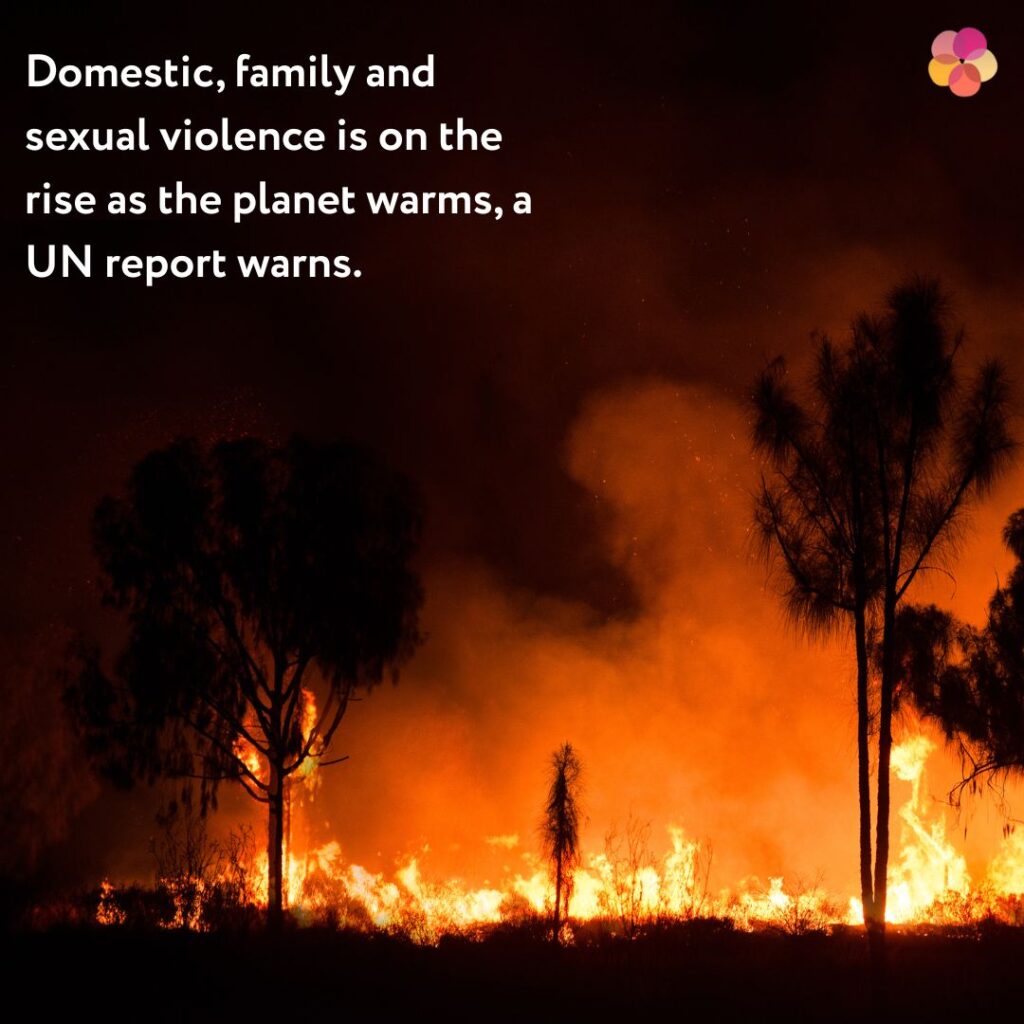


Domestic, family and sexual violence is on the rise as the planet warms, with new research warning that every degree of global warming is linked to a measurable increase in intimate partner violence (IPV).
A report from the UN Spotlight Initiative has found that for every 1°C rise in global average temperatures, rates of intimate partner violence increase by nearly 5 per cent. By 2090, the climate crisis could be responsible for up to 10 per cent of all IPV cases worldwide.
The Illawarra Women’s Trauma Recovery Centre provides free, long-term, trauma-informed care for women impacted by domestic, family and sexual violence. The Centre’s wraparound model includes counselling, legal aid, financial safety planning and peer-led support.
As the climate continues to change, the Centre is urging governments and emergency services to prepare for a future where natural disasters will require not just physical rebuilding, but emotional and social repair as well.
“Climate change is a threat multiplier,” said Sally Stevenson, the Centre’s Executive Director.
“It doesn’t cause violence, but it makes existing risks worse. If we want to keep women safe, we need to think about climate resilience not just in terms of infrastructure, but also in terms of relationships, trauma, and recovery.”
In the wake of fires, floods, and heatwaves, women’s safety services routinely report spikes in calls for help.
A study from Melbourne University found that after the 2009 Black Saturday bushfires, there was a documented increase in family violence.
According to the UN report, research shows that rates of abuse can rise by up to 28 per cent during heatwaves. Environmental disasters like droughts and storms also contribute to longer-term stress and financial pressure.
“Climate disasters disrupt lives, communities, and support systems,” said Ms Stevenson.
“The evidence is clear – adverse weather events directly lead to increased rates of violence against women.”
Local Impact, Global Trend
A global study covering 156 countries found that floods, landslides and storms were consistently followed by increased levels of intimate partner violence, sometimes for years after the initial event.
While Australia is not among the countries with the highest baseline rates of IPV, its exposure to extreme weather and rising temperatures makes the link between climate and violence a growing concern, particularly in regions like the Illawarra, where housing insecurity and cost-of-living pressures are already high.
“When a flood hits or the power bill spikes during a heatwave, the stress can become overwhelming. That’s when we see a rise in controlling behaviour, coercion, and physical violence,” Ms Stevenson.
According to the research, less than 0.04% of global climate funding currently goes toward addressing gender-based violence.
Advocates are calling for integrated responses that account for the ways environmental pressures affect home safety and women’s wellbeing.