


The release of South Australia’s Royal Commission into Domestic, Family and Sexual Violence has confirmed what survivors across the country have been saying for years: our systems are fragmented, crisis-driven, and too often fail those most in need.
At the Illawarra Women’s Trauma Recovery Centre (Illawarra WTRC), we recognise the courage of the hundreds of South Australian victim-survivors who have shared their stories with the Royal Commission.
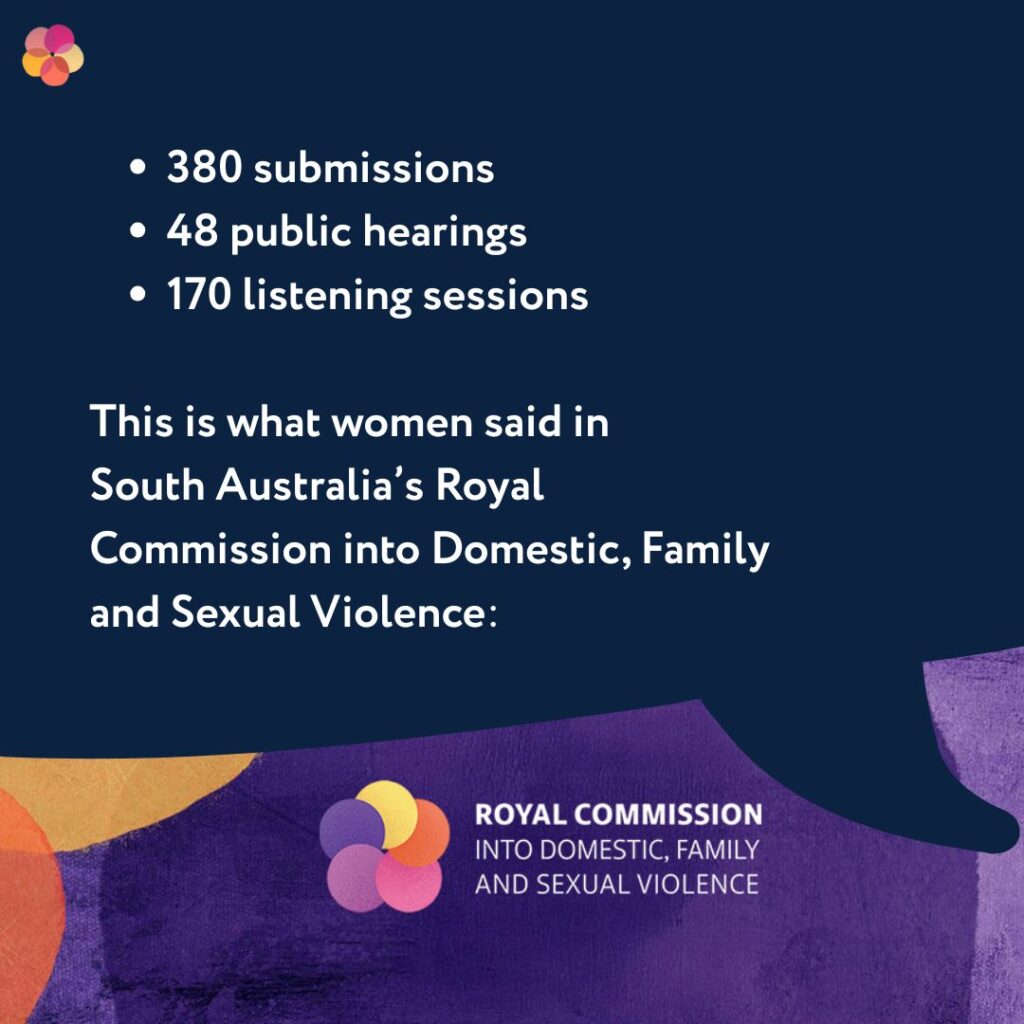
The 380 submissions, 48 public hearing sessions, and 170 listening sessions have led to 136 recommendations, including the establishment of a dedicated ministerial portfolio for domestic violence within the South Australian Government.
Their words are raw, powerful, and painfully familiar to us here at the Centre.
“These testimonies call out institutional failures – police, courts, and policy frameworks that too often diminish or dismiss survivors’ lived realities. They also remind us that domestic and family violence does not discriminate,” said the Centre’s Executive Director, Sally Stevenson.
“To the women of South Australia: your fight is our fight. We stand with you as you call for systemic change and as you work towards a future where recovery is possible, healing is supported, and every woman and child can live free from violence.”
The Commission heard repeatedly that leaving violence is only the beginning. Survivors face ongoing trauma, fractured services, and systems that can retraumatise rather than support.
Here are some of the submissions from victim-survivors:
- “I ask that we truly put system change and resources into supporting women and children to not just survive but to thrive.”
- “People like me are victims of crime, but no one recognises abuse victims as such … we don’t have the strength to fight.”
- “I have lost total faith in our police and courts. The courage it takes to leave an abusive relationship is monumental. Having lived through the process, I can say with absolute conviction it is highly flawed.”
- “Individual services have been amazing in what they can do, but the systems and policies seem to be set up based on an idea that people experiencing violence are without money or education. This is not the case; it can affect anyone.”
- “If we as a nation are serious about addressing the scourge of domestic abuse in all its forms … we must address the often institutional enablers of domestic/family abuse at their source.”
At the Illawarra WTRC, we know recovery extends beyond crisis response. Long-term emotional, financial and social healing is essential if survivors are to thrive.
As the first centre of its kind in Australia, our services are co-designed with women who have experienced domestic, family and sexual violence, ensuring care addresses the long-term impact of trauma.
The South Australian government has accepted 12 of the 136 recommendations immediately, stating that it will allow for proper consideration and addressing of the broader suite.
This includes a ministerial portfolio for domestic, family and sexual violence, a five-year strategy, and establishing lived experience networks.