
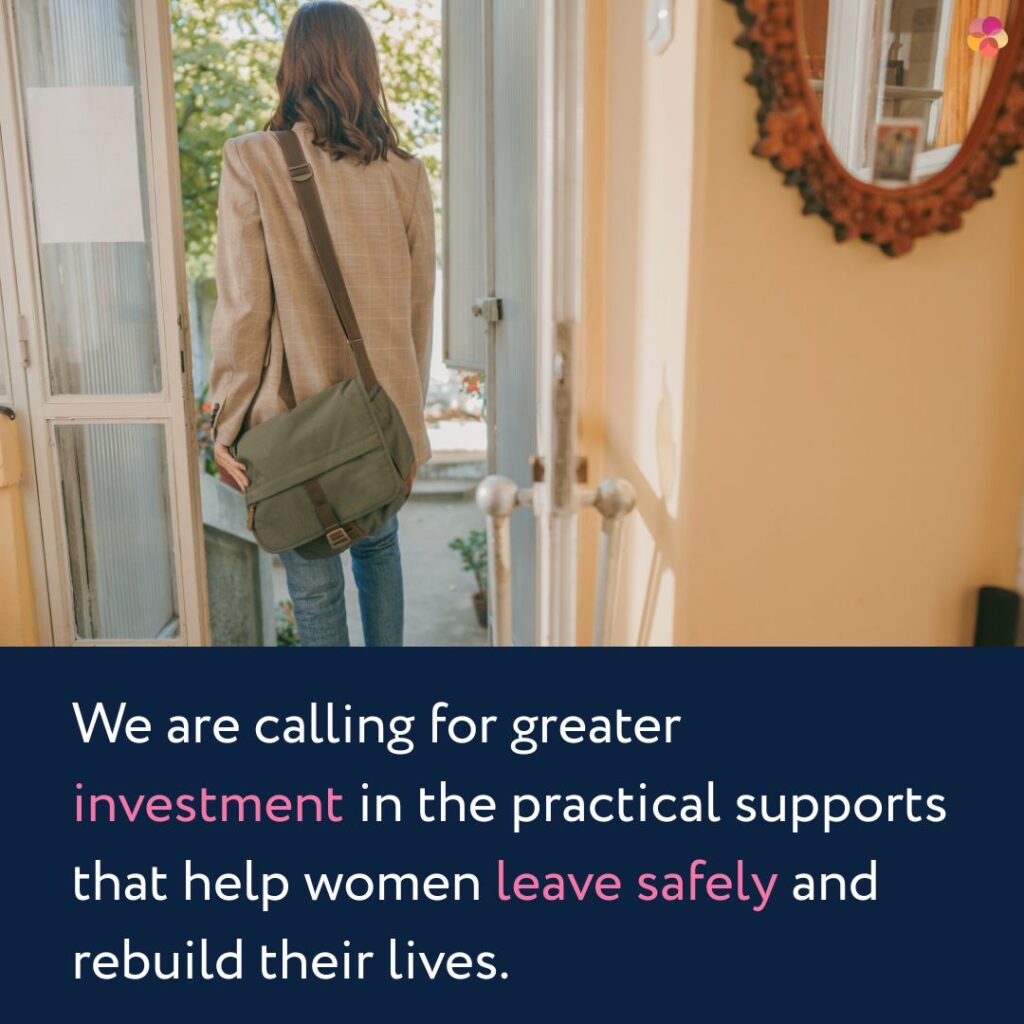


It now costs more than $7,000 for a woman to leave a violent relationship, and the Illawarra Women’s Trauma Recovery Centre says the rising cost is creating another barrier to safety.
New research from Anglicare estimates the immediate cost of leaving domestic and family violence has risen to more than $7,000 – up 71 per cent in the past decade. The costs include securing housing, paying a rental bond, replacing essential household items and establishing a new home.
The Centre’s CEO, Elise Phillips, said the figures showed the cost of leaving violence had become a barrier to safety for many women.
“No woman should have to calculate whether she can afford to be safe,” Ms Phillips said.
“When the cost of leaving exceeds $7,000, financial hardship becomes another barrier to escaping violence.”
Ms Phillips said the consequences extended well beyond the day a woman left.
“Recovery begins with safety. But if a woman is forced into housing insecurity, debt or ongoing financial stress simply because she has escaped violence, that affects her ability to recover.”
She said domestic and family violence could not be separated from Australia’s housing and cost-of-living crises.
“We’re asking women to leave violence at a time when rents are rising, affordable housing is increasingly scarce, and many victim-survivors have experienced financial abuse that has stripped away their financial independence.”
“Those are not separate issues. They’re all part of whether a woman can leave safely and begin rebuilding her life.”
Ms Phillips said supporting women to rebuild their financial independence was an important part of trauma recovery.
Through a partnership with the Zahra Foundation, the Illawarra Women’s Trauma Recovery Centre offers specialist financial counselling and financial well-being programs to help women recover from financial abuse, rebuild confidence and regain control of their finances.
Ms Phillips said services like these were becoming increasingly important as cost-of-living pressures made it harder for women to recover after leaving violence.
“Recovery isn’t just about healing from trauma,” Ms Phillips said.
“It’s also about rebuilding independence. That includes understanding your finances, managing debt, rebuilding your credit and feeling confident making financial decisions again.”
While programs like these are making a difference, Ms Phillips said more practical support was needed to help women overcome the immediate financial barriers to leaving violence.
“We’ve made enormous progress in encouraging women to seek help and leave violence,” she said.
“Now we need to make sure they can afford to.”
She said expanded practical assistance, including brokerage funding delivered through specialist services, alongside financial counselling and longer-term recovery support, is a starting point.
“A woman shouldn’t have to choose between staying in a violent home and facing financial ruin,” Ms Phillips said.