
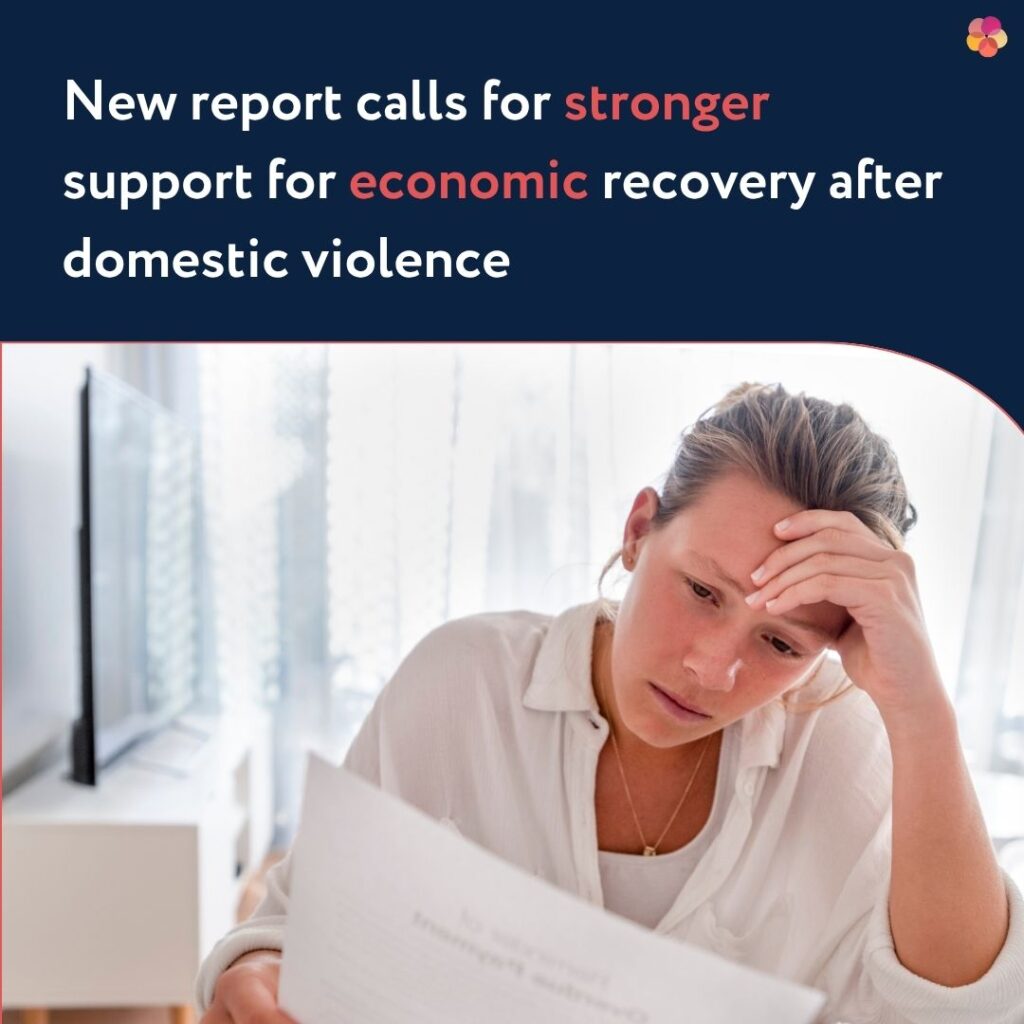


Rebuilding financial security is a critical part of recovery from domestic violence, says the Illawarra Women’s Trauma Recovery Centre, as a new report calls for investment to help survivors access safe, secure employment.
The Rebuild, published by Humans of Purpose Academy, makes five recommendations to strengthen economic recovery for women who experience domestic and family violence, including employment programs, incentives for small businesses and better coordination between services.
Illawarra Women’s Trauma Recovery Centre CEO Elise Phillips said financial abuse, disrupted careers and mounting legal costs can leave women facing economic hardship long after leaving the relationship.
“Violence can dismantle a woman’s financial independence by preventing her from working, interrupting her education or leaving her with debts she did not choose,” Ms Phillips said.
“The report recognises that finding work does not automatically undo that damage. Pushing women into low-paid, insecure jobs can leave them working but still unable to rebuild financially.
“Its call to fund specialist employment programs alongside recovery support is important. We need to help women regain earning capacity and career opportunities that violence has taken from them.”
The report calls for immediate investment in programs that help women return to paid work when they choose, combining specialist recovery support with training, mentoring and access to safe, secure jobs.
Ms Phillips said employment support needed to recognise the continuing effects of violence.
“A woman may be managing court proceedings, caring for children and receiving treatment for trauma while trying to rebuild her career,” she said.
“The work needs to be sustainable, and women need support to return at their own pace.”
The report also recommends funding to connect existing research across domestic violence services, housing, health, childcare and income support, identifying gaps that prevent women from finding or retaining employment.
Its employer recommendations include a two-year pilot offering eligible small businesses up to $1,500 to complete approved domestic violence training and implement practical workplace changes.
It also proposes a national employer commitment to supporting and retaining affected workers, industry-led guidance and expanded workplace gender equality reporting to businesses with 50 or more employees.
The recommendations follow YouGov research commissioned in September 2026 involving 206 employer representatives and 505 people with lived experience of domestic and family violence.
While 85 per cent of employers believed they had a responsibility to support affected employees, only 8.3 per cent of victim-survivors said their workplace had actively supported them.
Being believed, being treated with compassion and flexible working arrangements were the supports survivors most commonly identified as making a difference to staying in or returning to work.
Ms Phillips said the recommendations recognised that women’s ability to stay in work was closely linked to the support available around them.
“An employer can offer flexibility, but a woman may still struggle to keep working if she cannot find stable housing, afford childcare or access support for her recovery,” she said.
“We need to understand where women are falling through the gaps and address the barriers that prevent them from rebuilding financial security.”