
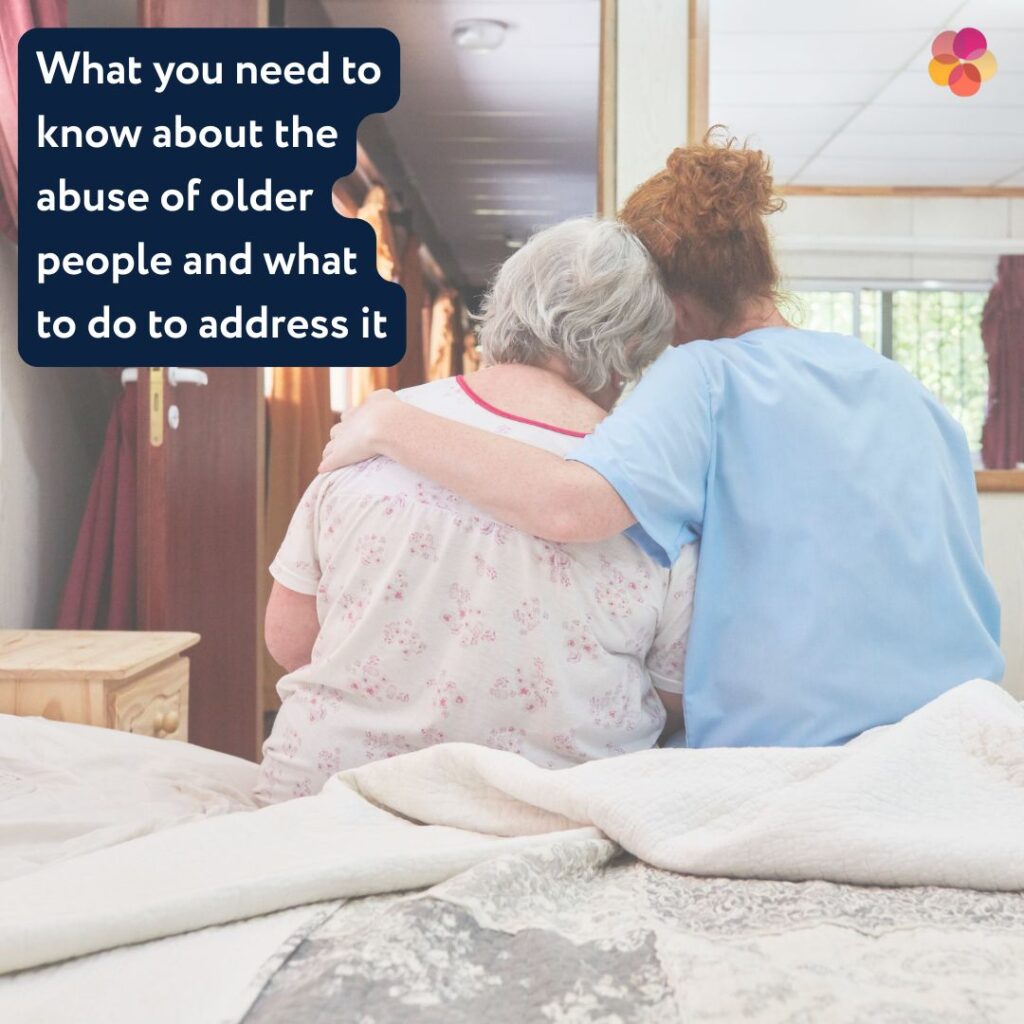


The urgent need to address abuse of older women was brought into sharp focus during the Illawarra Women’s Trauma Recovery Centre’s Older Women’s Day in collaboration with the Older Women’s Network NSW.
The event, held earlier this year, highlighted the unique challenges older women face, including heightened risks of abuse, neglect, and exploitation. It also reinforced the vital need for community awareness, open dialogue, and support networks to ensure older women can live safely, with dignity and respect.
“Ending abuse of older women begins with seeing, hearing, and valuing older people,” said Sally Stevenson, Executive Director of the Illawarra Women’s Trauma Recovery Centre.
“Every person deserves safety, respect, and a life free from fear.”
According to the Australian Institute of Health and Welfare, up to 14 per cent of older Australians are affected by abuse, and 70 per cent of older victims of abuse are women.
Abuse of older people is defined as a single or repeated act, or lack of appropriate action, occurring within any relationship where there is an expectation of trust, which causes harm or distress to an older person.
Abuse of older people may be physical, psychological/emotional, sexual, financial, or may result from intentional or unintentional neglect.
“Abuse of older people is not only a violation of human rights but also a leading cause of injury, illness, isolation, and despair among older people,” said Ms Stevenson.
How to Help Older People Experiencing Abuse
If you think an older person is a victim of abuse, consider the following guidelines from the Australian Government.
- Think about your responsibility
Some abusive acts, especially physical or sexual assaults, are classified as crimes. Although there is no legal requirement to report them, we all have a moral duty to look out for older people.
- Be gentle
Understand that older people may not want to cause trouble, as they may feel ashamed or be worried about the consequences and the potential for payback.
- Be considerate of family ties
Elders may feel protective of their adult children, even if that child is mistreating or exploiting them. An older person is more likely to accept help if they think their adult child’s needs will be considered and addressed.
- Offer reassurance
A kind word can go a long way. Reassure the older person that help is available.
- Keep checking, keep caring
If an older person refuses to get help, provide them with emotional support. Keep checking in on them where possible.
- Give them control
It’s important that an older person feels in control of seeking and getting help.
What to Avoid When Offering Support
- Avoid judgement
If the older person says they love their suspected abuser, or if they leave but then return to the situation, don’t be critical. Leaving an abusive person or situation can take time, and your support is really important.
- Avoid taking control
It is not your role to take over and make decisions for the older person, even if you think you can stop the abuse. Even with your support, the older person may not want to take action, but this does not mean you should. Provide emotional support and information, but remember they have a right to make decisions about their own life, even if you don’t agree with them.
- Avoid confrontation
It is generally not advisable to confront the abuser without careful thought.
- Avoid blame
Avoid asking questions like ‘what did you do for them to treat you like that?’ or ‘why do you put up with it?’ These questions suggest that it is somehow the elder person’s fault.
- Avoid giving advice
Try not to offer advice or tell them what you would do. This will only reduce their confidence to make their own decisions. Instead, listen and give information.
- Avoid pressure
Avoid forcing the older person to act or make decisions on their behalf. Focus on listening and supporting them to make their own decisions. They know their own situation best.
The Illawarra Women’s Trauma Recovery Centre is a one-stop place for women to heal and rebuild their lives after experiencing domestic, family and sexual violence. To find out more about our services, contact our team on 4243 9800.
More information on elder abuse is available at the Older Women’s Network NSW website and from NSW Ageing and Disability Commission. You can also call the NSW Ageing and Disability Abuse Helpline on 1800 628 221.